Interactive map · checklist · printable
National Parks Map
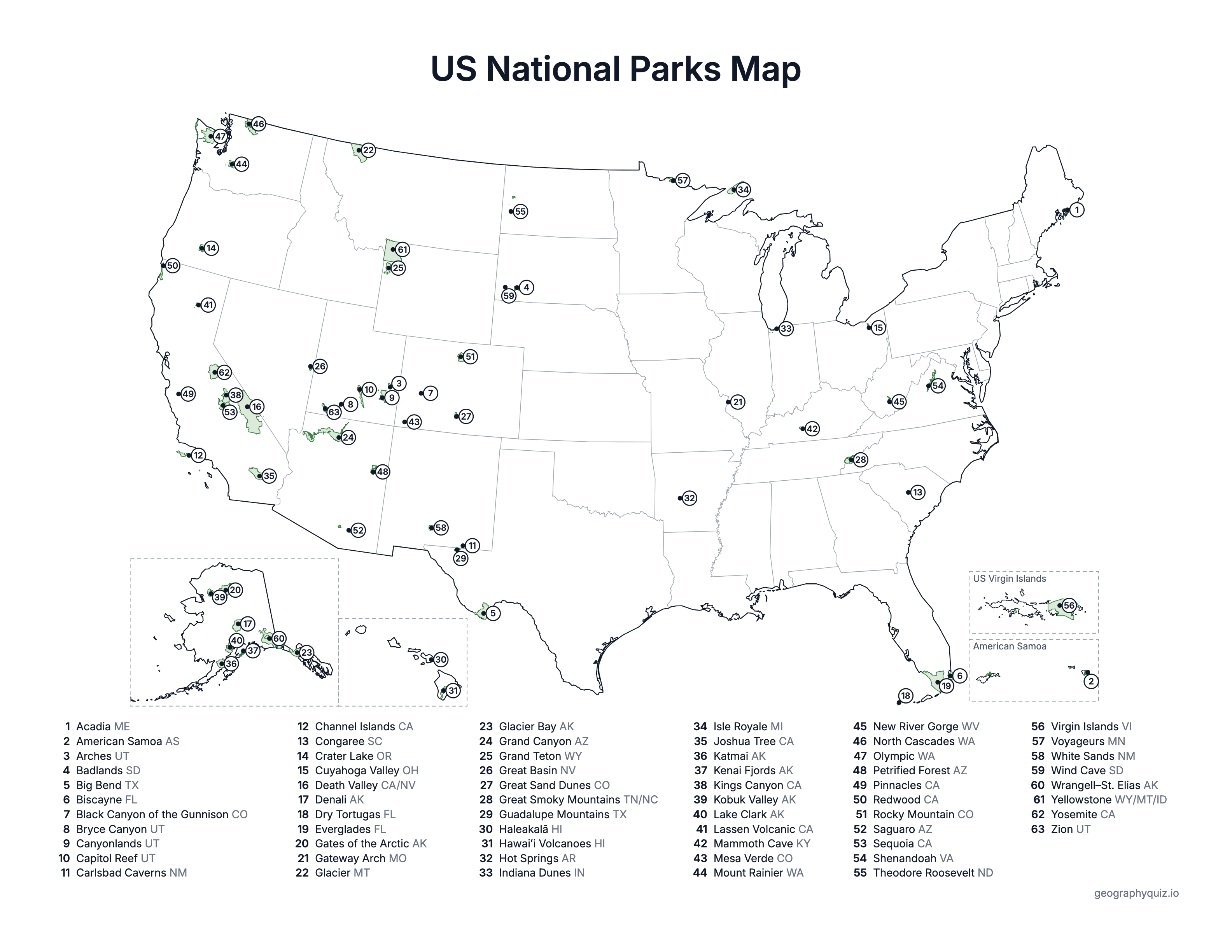
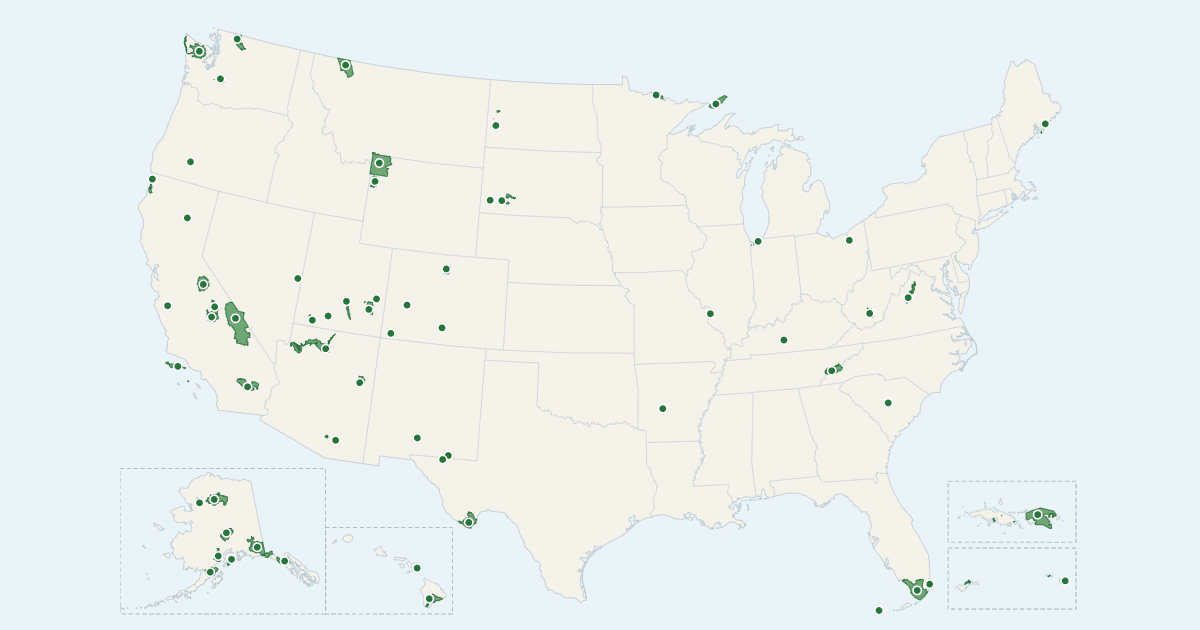
All 63 US national parks on one map, with their real boundaries, from Acadia in Maine to the National Park of American Samoa. Tap a park for its photo, size, visitors and the best time to visit, find the national parks near you or by state, and tick off the ones you have been to.
All 63 national parks
Hover over or tap a park for its facts, and tick the ones you have visited. Pinch, or use + and −, to zoom.Tap a park for its facts · pinch to zoom.
Tick parks on their card, in the photo list or in the table. Your list stays in this browser.
Printable national parks map
Free to print: all 63 national parks numbered on one landscape page, with the list of names. For class, a worksheet to label 20 well-known parks, and a checklist of all 63 to tick and color in as you visit them.
Key facts
- National parks
- 63 (October 2026)
- Most parks
- California (9), Alaska (8), Utah (5)
- Largest
- Wrangell–St. Elias, Alaska (8.3 million acres)
- Smallest
- Gateway Arch, Missouri (193 acres)
- Most visited (2025)
- Great Smoky Mountains (11.5 million)
- Least visited (2025)
- Kobuk Valley (7,786)
- Oldest
- Yellowstone (1872)
- Newest
- New River Gorge (2020)
- Visits to all 63 in 2025
- 93.9 million
List of all 63 national parks
Every US national park from A to Z, with what it is known for. Tap a name to see the park on the map, and tick the ones you have visited.
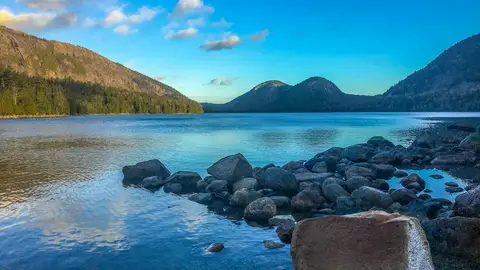
Granite mountains on a rocky Atlantic coast; Cadillac Mountain is one of the first places in the US to see the sunrise for part of the year.
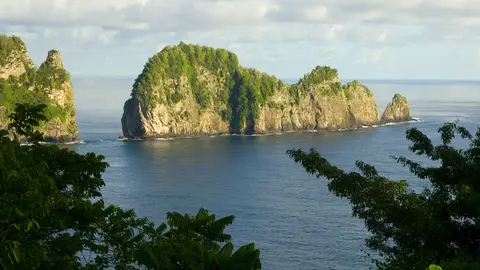
Tropical rainforest, coral reefs and Samoan villages on three islands: the only US national park south of the equator.
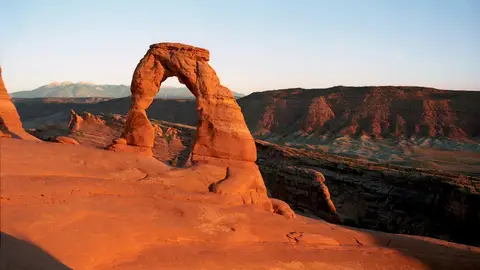
More than 2,000 natural stone arches, Delicate Arch the most famous of them.
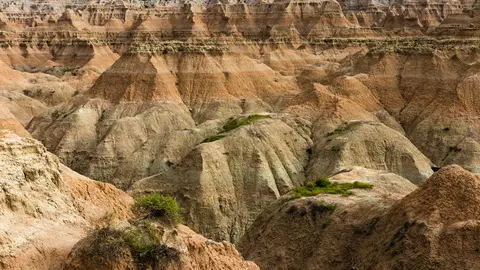
Eroded buttes and spires, rich fossil beds and mixed-grass prairie with bison and prairie dogs.
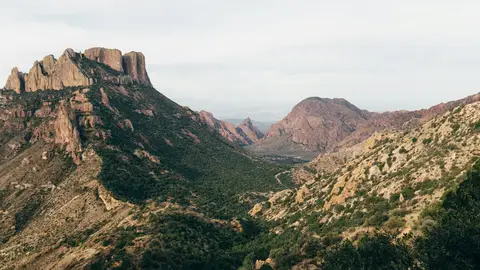
The Chisos Mountains, Chihuahuan Desert and the canyons of the Rio Grande on the border with Mexico.
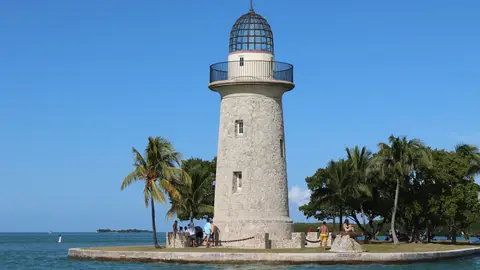
A park that is about 95% water: coral reefs, mangrove shores and the northernmost Florida Keys.
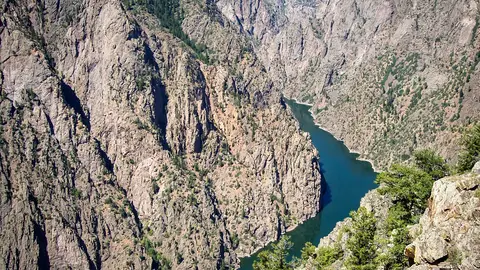
A sheer, narrow and dark canyon; the Painted Wall is the tallest cliff in Colorado.
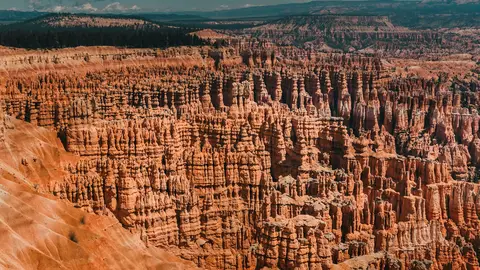
Hoodoos: thousands of orange and white rock spires packed into natural amphitheaters.
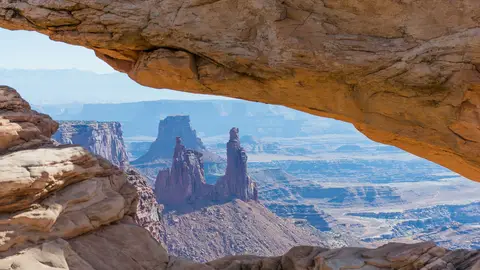
Canyons, mesas and buttes carved by the Colorado and Green rivers; Mesa Arch at sunrise.
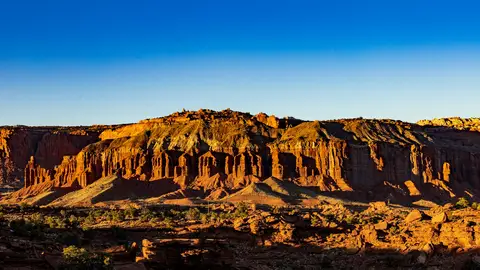
The Waterpocket Fold, a wrinkle in the earth's crust nearly 100 miles long, and the orchards of historic Fruita.
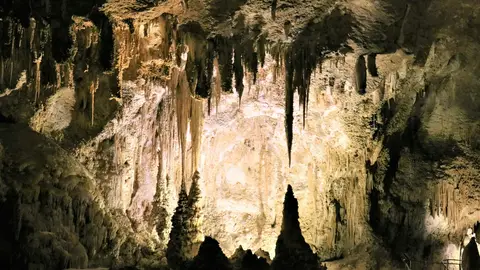
More than 119 caves, including the vast Big Room, and summer evening flights of Brazilian free-tailed bats.
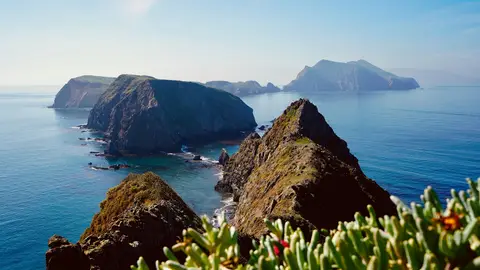
Five wild islands off Southern California, reached by boat: sea caves, kelp forests and the island fox.
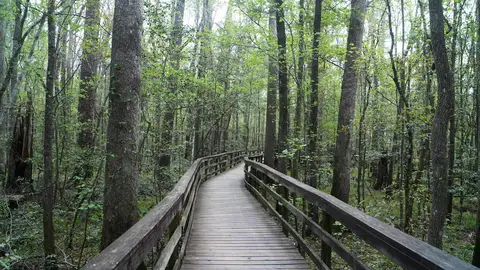
The largest old-growth bottomland hardwood forest left in the Southeast, with champion trees and a boardwalk through the floodplain.
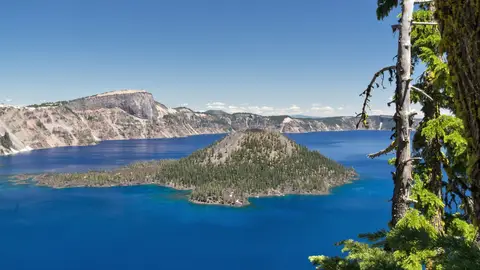
The deepest lake in the US, deep blue in the collapsed caldera of the Mount Mazama volcano.
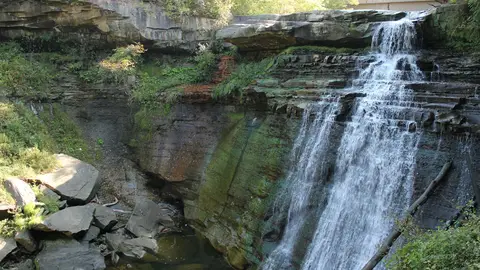
Waterfalls, the Ohio & Erie Canal Towpath Trail and a scenic railroad in the river valley between Cleveland and Akron.
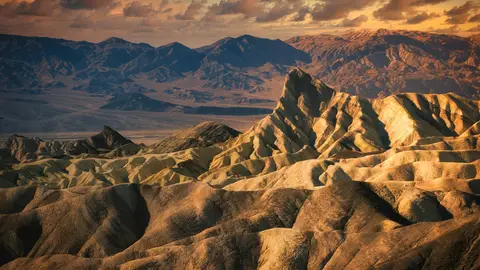
The hottest, driest and lowest national park: Badwater Basin is 282 feet below sea level.
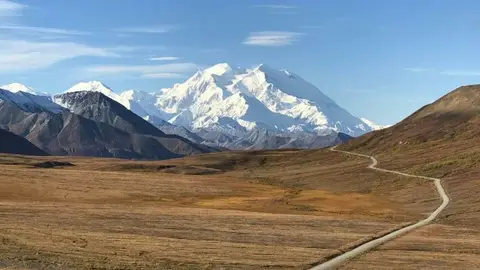
Denali, North America's highest peak at 20,310 feet, and grizzlies, moose and caribou along a single park road.
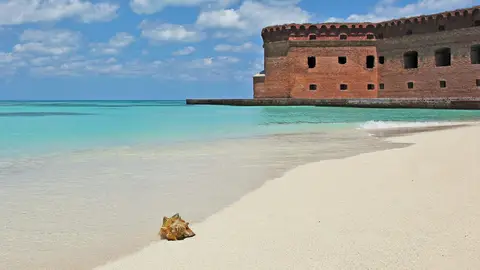
Fort Jefferson and clear water on small islands about 70 miles west of Key West, reached only by boat or seaplane.
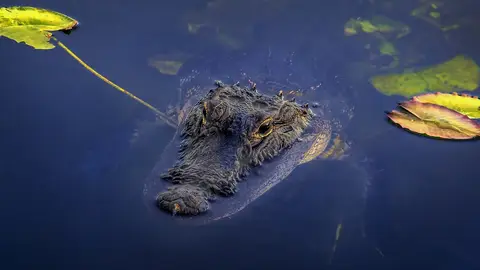
The largest subtropical wilderness in the US: sawgrass, mangroves, alligators, crocodiles and wading birds.
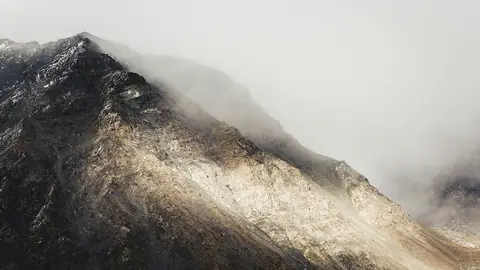
Roadless wilderness in the Brooks Range, entirely north of the Arctic Circle: the northernmost national park.
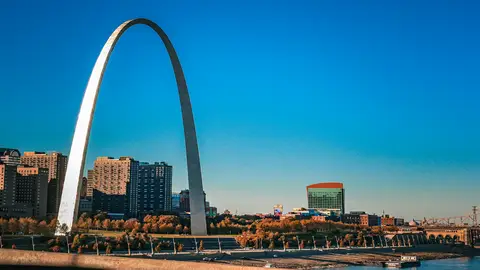
The 630-foot stainless steel Gateway Arch on the Mississippi riverfront, the tallest monument built in the US.
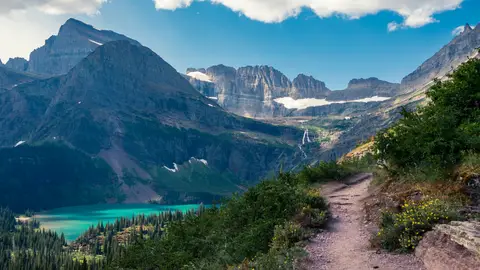
The Going-to-the-Sun Road, glacier-carved peaks and valleys, and more than 700 miles of trails.
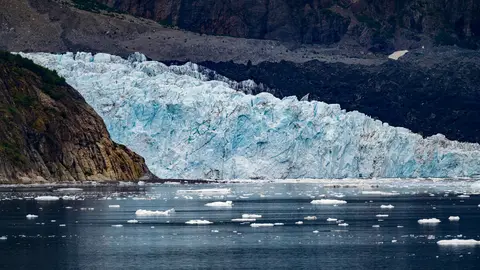
Tidewater glaciers and humpback whales in a fjord system; most visitors arrive on a cruise ship.
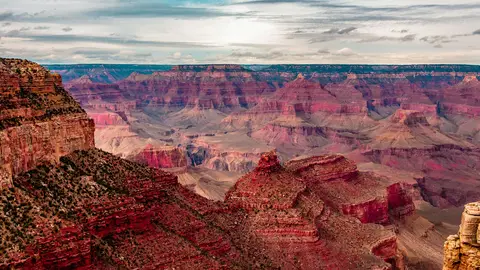
A canyon a mile deep and 277 river miles long, carved by the Colorado River.
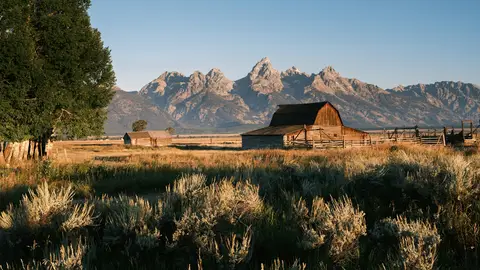
The jagged Teton Range rising straight above the lakes and sagebrush flats of Jackson Hole.
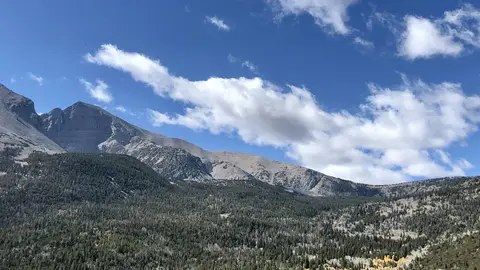
Ancient bristlecone pines, Lehman Caves, Wheeler Peak and some of the darkest night skies in the country.
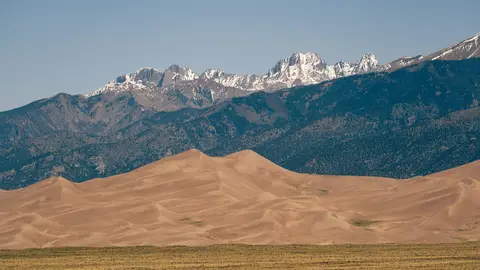
The tallest sand dunes in North America, below the Sangre de Cristo Mountains, with seasonal Medano Creek at their foot.
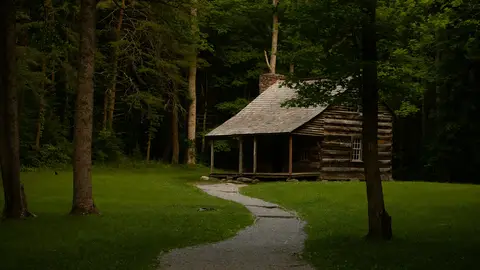
Misty forested ridges of the southern Appalachians, historic mountain farms and synchronous fireflies; the most visited national park.
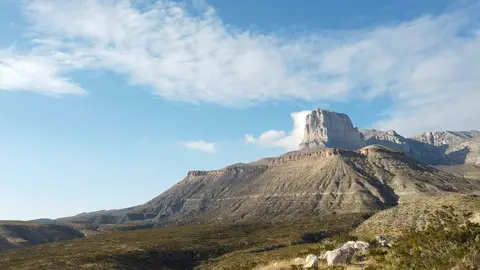
Guadalupe Peak, the highest point in Texas at 8,751 feet, on an ancient fossil reef; fall color in McKittrick Canyon.
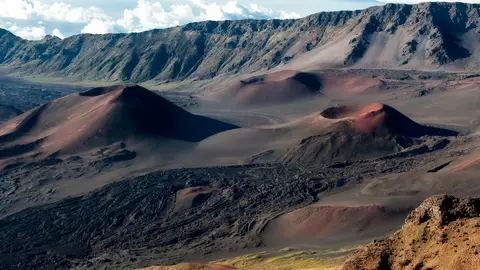
Sunrise above the clouds at the summit of the Haleakalā volcano on Maui, and the waterfalls and pools of Kīpahulu.
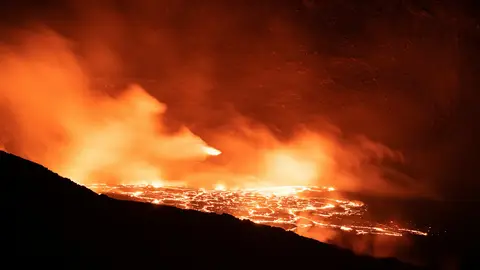
Kīlauea and Mauna Loa on the Big Island, two of the world's most active volcanoes.
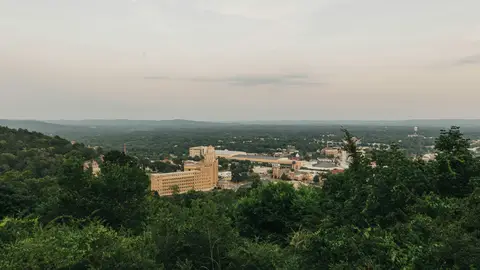
Thermal springs and the historic bathhouses of Bathhouse Row, in the middle of the city of Hot Springs.
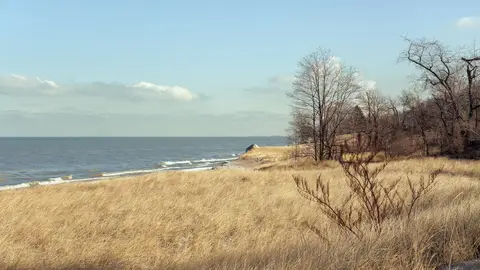
Sand dunes, beaches, wetlands and prairie along 15 miles of Lake Michigan shore.
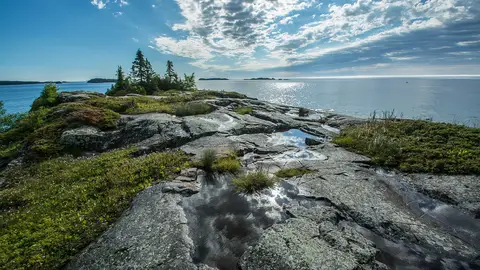
A roadless island wilderness in Lake Superior, known for its wolves and moose; reached by boat or seaplane.
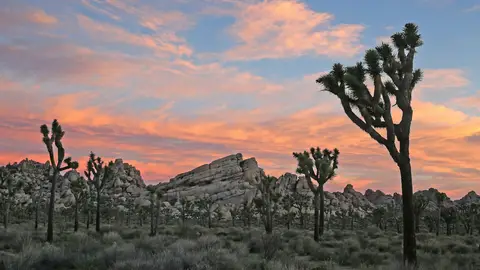
Joshua trees and giant granite boulders where the Mojave and Colorado deserts meet.
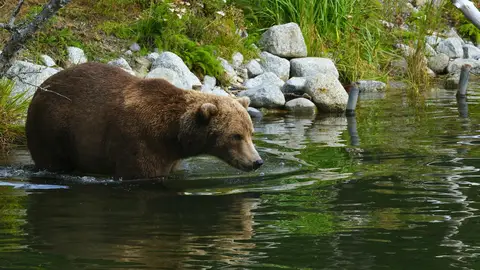
Brown bears catching salmon at Brooks Falls, and the ash-filled Valley of Ten Thousand Smokes.
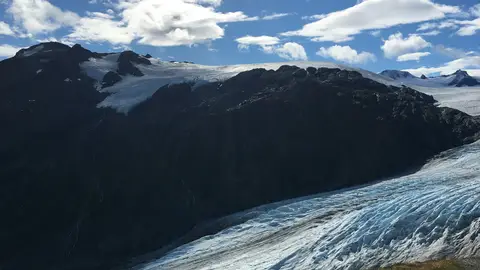
The Harding Icefield and the glaciers flowing from it into the sea; Exit Glacier is reachable by road from Seward.
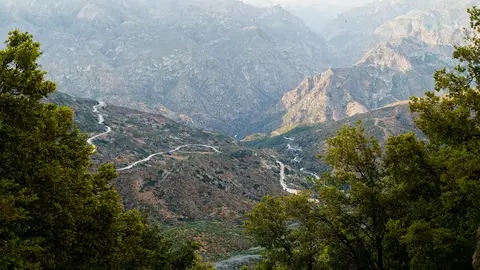
One of the deepest canyons in the US, and the General Grant Tree, a giant sequoia known as the Nation's Christmas Tree.
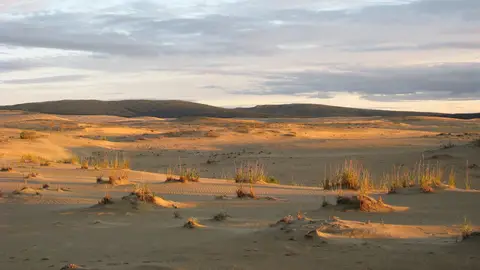
Arctic sand dunes and the hundreds of thousands of caribou that cross the Kobuk River on their migration.

Volcanoes, turquoise lakes and coastal brown bears, reached only by small plane or boat.
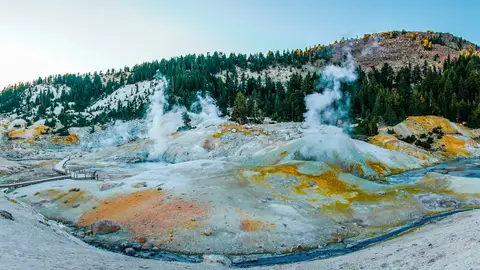
Lassen Peak and all four types of volcano, plus boiling mud pots and steam vents at Bumpass Hell.
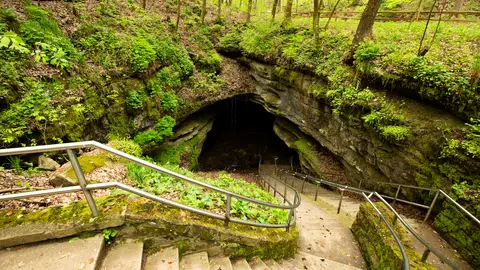
The longest known cave system in the world, with more than 420 miles of passages mapped.
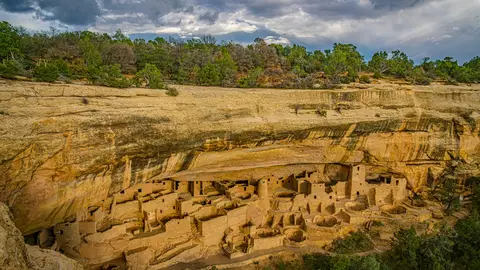
Cliff dwellings built by Ancestral Puebloans, Cliff Palace the largest of them.
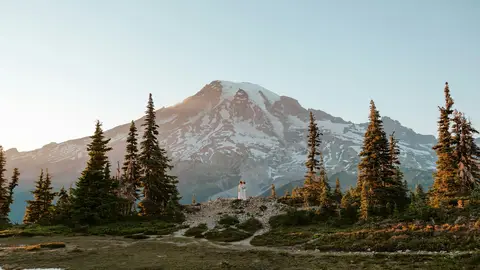
An ice-covered volcano 14,410 feet high, with wildflower meadows at Paradise and Sunrise.
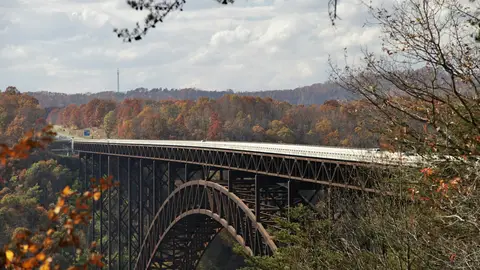
A deep river gorge with whitewater rafting, rock climbing and the New River Gorge Bridge.
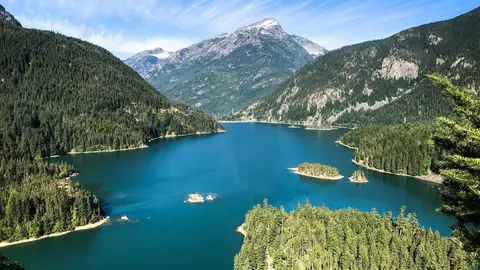
Jagged peaks with hundreds of glaciers, and the turquoise water of Diablo Lake.
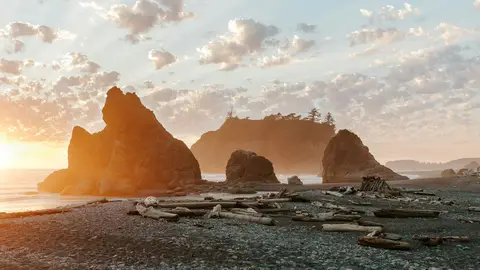
Three parks in one: glaciated mountains, the temperate rainforest of the Hoh and a wild Pacific coast.
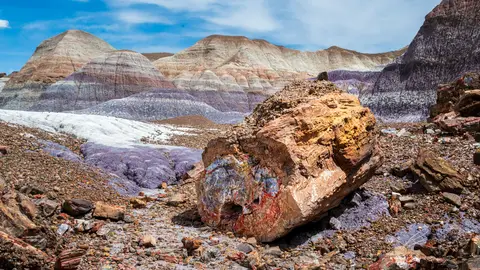
Logs of petrified wood and the striped badlands of the Painted Desert; old Route 66 crosses the park.
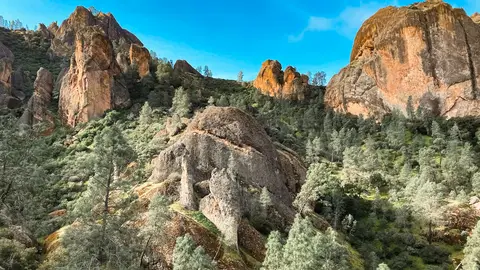
Rock spires left by an ancient volcano, talus caves and California condors.
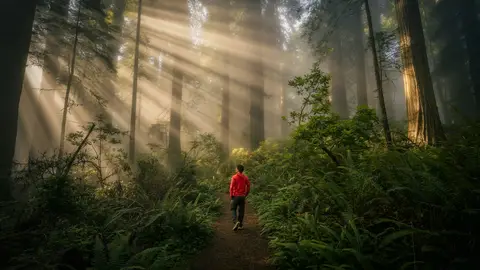
Old-growth coast redwoods, the tallest trees on Earth, between misty forest and the Pacific coast.
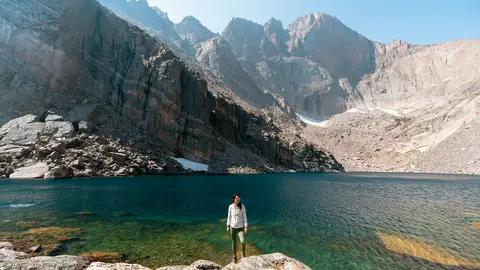
Trail Ridge Road across the alpine tundra, the highest continuous paved road in the US, and elk herds.
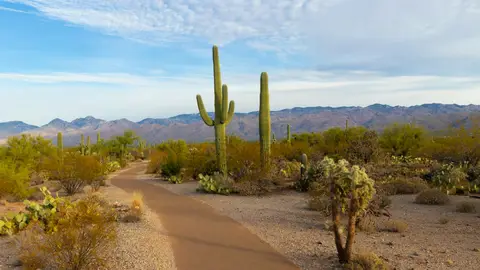
Forests of giant saguaro cacti in two districts on either side of Tucson.
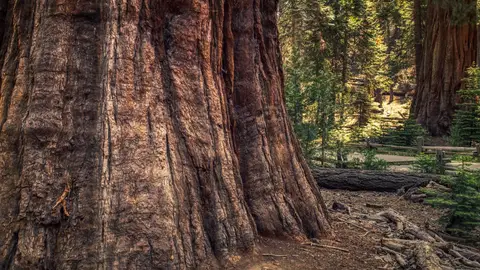
The General Sherman Tree, the largest tree on Earth by volume, and Mount Whitney on the park's eastern edge.
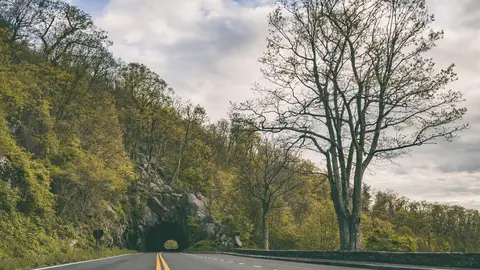
Skyline Drive along the crest of the Blue Ridge, waterfalls and part of the Appalachian Trail.
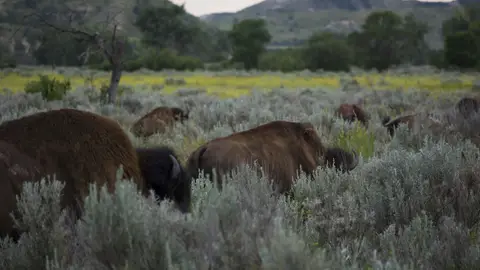
Colorful badlands of the Little Missouri River, with bison and wild horses, where Roosevelt ranched in the 1880s.
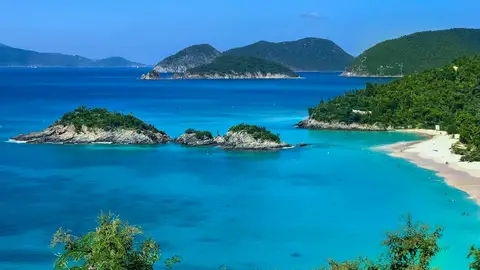
More than half of the island of St. John: white-sand beaches, coral reefs and the ruins of sugar plantations.

Lakes and islands on the Canadian border, explored by boat in summer, and dark skies for the northern lights.
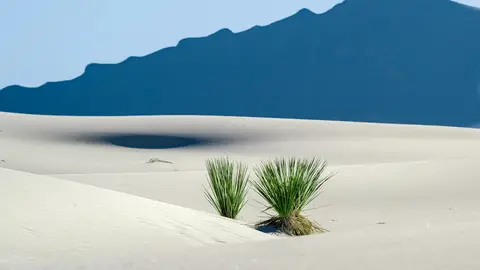
The largest gypsum dune field in the world: brilliant white sand you can sled down.
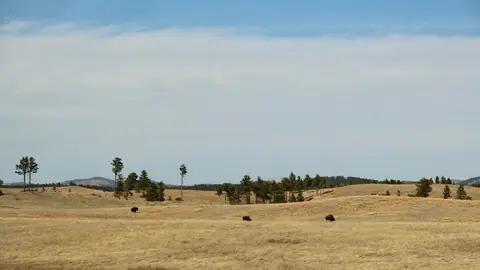
One of the longest caves in the world, famous for its boxwork formations, under prairie roamed by bison.
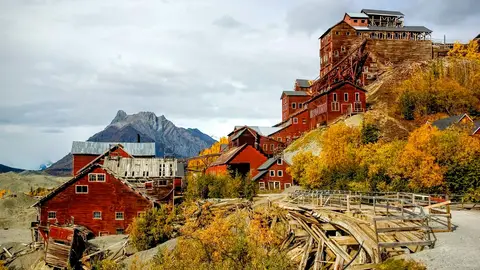
The largest national park: vast glaciers, the Kennecott copper mill and many of the highest peaks in the US.
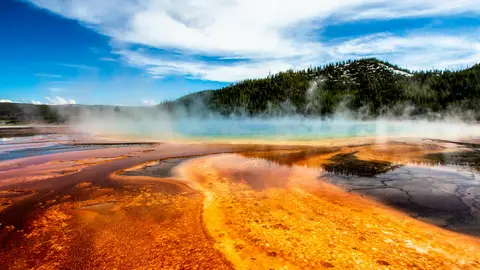
The first national park: Old Faithful and more than half of the world's active geysers, plus bison, elk and wolves.
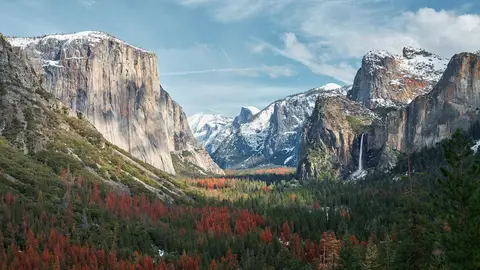
The granite walls of El Capitan and Half Dome, high waterfalls and groves of giant sequoias.
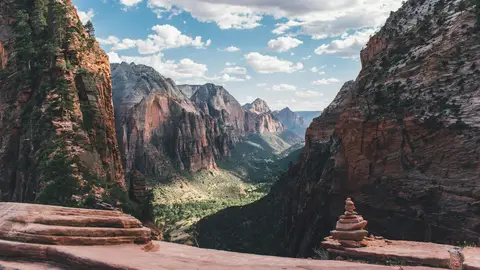
Red and cream sandstone cliffs, Angels Landing and the Narrows, a hike up the Virgin River.
National parks by size, visitors and age
All 63 national parks in one table. Sort by size, visitors or the year each became a national park, tap a name to see it on the map, and tick the ones you have visited.
| # | km² | Visited | |||||
|---|---|---|---|---|---|---|---|
| 1 | Maine | 49,077 | 199 | 4,079,318 | |||
| 2 | American Samoa | 8,257 | 33 | 43,258 | |||
| 3 | Utah | 76,679 | 310 | 1,511,740 | |||
| 4 | South Dakota | 242,743 | 982 | 1,139,361 | |||
| 5 | Texas | 801,162 | 3,242 | 568,104 | |||
| 6 | Florida | 172,971 | 700 | 486,567 | |||
| 7 | Colorado | 30,780 | 125 | 250,086 | |||
| 8 | Utah | 35,835 | 145 | 1,967,367 | |||
| 9 | Utah | 337,598 | 1,366 | 796,057 | |||
| 10 | Utah | 241,905 | 979 | 1,388,476 | |||
| 11 | New Mexico | 46,766 | 189 | 410,778 | |||
| 12 | California | 249,561 | 1,010 | 227,186 | |||
| 13 | South Carolina | 26,693 | 108 | 287,833 | |||
| 14 | Oregon | 183,224 | 741 | 632,242 | |||
| 15 | Ohio | 32,607 | 132 | 3,025,325 | |||
| 16 | California, Nevada | 3,408,375 | 13,793 | 1,320,134 | |||
| 17 | Alaska | 4,740,911 | 19,186 | 543,300 | |||
| 18 | Florida | 64,701 | 262 | 89,355 | |||
| 19 | Florida | 1,508,939 | 6,106 | 778,198 | |||
| 20 | Alaska | 7,523,897 | 30,448 | 14,923 | |||
| 21 | Missouri | 193 | 0.8 | 2,209,028 | |||
| 22 | Montana | 1,013,126 | 4,100 | 3,136,557 | |||
| 23 | Alaska | 3,223,383 | 13,045 | 740,044 | |||
| 24 | Arizona | 1,201,647 | 4,863 | 4,430,653 | |||
| 25 | Wyoming | 310,044 | 1,255 | 3,800,648 | |||
| 26 | Nevada | 77,180 | 312 | 161,210 | |||
| 27 | Colorado | 107,337 | 434 | 432,498 | |||
| 28 | Tennessee, North Carolina | 522,427 | 2,114 | 11,527,939 | |||
| 29 | Texas | 86,367 | 350 | 206,423 | |||
| 30 | Hawaii | 33,489 | 136 | 853,711 | |||
| 31 | Hawaii | 344,812 | 1,395 | 1,877,854 | |||
| 32 | Arkansas | 5,554 | 22 | 2,494,611 | |||
| 33 | Indiana | 16,268 | 66 | 2,629,497 | |||
| 34 | Michigan | 571,790 | 2,314 | 29,091 | |||
| 35 | California | 795,156 | 3,218 | 2,932,644 | |||
| 36 | Alaska | 3,674,529 | 14,870 | 34,479 | |||
| 37 | Alaska | 669,650 | 2,710 | 425,369 | |||
| 38 | California | 461,901 | 1,869 | 779,791 | |||
| 39 | Alaska | 1,750,716 | 7,085 | 7,786 | |||
| 40 | Alaska | 2,619,816 | 10,602 | 19,778 | |||
| 41 | California | 106,589 | 431 | 504,777 | |||
| 42 | Kentucky | 72,042 | 292 | 660,734 | |||
| 43 | Colorado | 52,485 | 212 | 463,130 | |||
| 44 | Washington | 236,382 | 957 | 1,635,342 | |||
| 45 | West Virginia | 72,405 | 293 | 1,958,440 | |||
| 46 | Washington | 504,781 | 2,043 | 46,925 | |||
| 47 | Washington | 923,046 | 3,735 | 3,584,187 | |||
| 48 | Arizona | 221,390 | 896 | 315,951 | |||
| 49 | California | 26,686 | 108 | 343,208 | |||
| 50 | California | 139,091 | 563 | 1,202,480 | |||
| 51 | Colorado | 265,918 | 1,076 | 4,171,431 | |||
| 52 | Arizona | 92,800 | 376 | 847,749 | |||
| 53 | California | 404,063 | 1,635 | 1,378,337 | |||
| 54 | Virginia | 200,454 | 811 | 1,682,152 | |||
| 55 | North Dakota | 70,446 | 285 | 729,893 | |||
| 56 | US Virgin Islands | 15,041 | 61 | 471,074 | |||
| 57 | Minnesota | 218,223 | 883 | 206,326 | |||
| 58 | New Mexico | 146,344 | 592 | 659,742 | |||
| 59 | South Dakota | 33,971 | 137 | 606,258 | |||
| 60 | Alaska | 8,323,146 | 33,683 | 108,840 | |||
| 61 | Wyoming, Montana, Idaho | 2,219,791 | 8,983 | 4,762,988 | |||
| 62 | California | 761,748 | 3,083 | 4,278,413 | |||
| 63 | Utah | 147,243 | 596 | 4,984,525 |
Area is the gross area inside each park's boundary on September 30, 2026; for the Alaska parks and Great Sand Dunes it leaves out the national preserve next to the park. Visitors are recreation visits in 2025. A few parks were set aside earlier under another name or status, for example as a national monument; the year here is when each became a national park.
Largest, most visited, oldest and newest national parks
Largest national parks
- Wrangell–St. Elias Alaska8.3 million acres
- Gates of the Arctic Alaska7.5 million acres
- Denali Alaska4.7 million acres
- Katmai Alaska3.7 million acres
- Death Valley California, Nevada3.4 million acres
Smallest national parks
- Gateway Arch Missouri193 acres
- Hot Springs Arkansas5,554 acres
- American Samoa American Samoa8,257 acres
- Virgin Islands US Virgin Islands15,041 acres
- Indiana Dunes Indiana16,268 acres
Most visited national parks (2025)
- Great Smoky Mountains Tennessee, North Carolina11.5 million
- Zion Utah5.0 million
- Yellowstone Wyoming, Montana, Idaho4.8 million
- Grand Canyon Arizona4.4 million
- Yosemite California4.3 million
Least visited national parks (2025)
- Kobuk Valley Alaska7,786
- Gates of the Arctic Alaska14,923
- Lake Clark Alaska19,778
- Isle Royale Michigan29,091
- Katmai Alaska34,479
Oldest national parks
- Yellowstone Wyoming, Montana, Idaho1872
- Sequoia California1890
- Yosemite California1890
- Mount Rainier Washington1899
- Crater Lake Oregon1902
Newest national parks
- New River Gorge West Virginia2020
- White Sands New Mexico2019
- Indiana Dunes Indiana2019
- Gateway Arch Missouri2018
- Pinnacles California2013
National parks by state
30 states and two territories have at least one national park. Yellowstone is in three states and Death Valley and Great Smoky Mountains in two, so they count in each.
| State | Parks | National parks |
|---|---|---|
| California | 9 | Channel Islands, Death Valley, Joshua Tree, Kings Canyon, Lassen Volcanic, Pinnacles, Redwood, Sequoia, Yosemite |
| Alaska | 8 | Denali, Gates of the Arctic, Glacier Bay, Katmai, Kenai Fjords, Kobuk Valley, Lake Clark, Wrangell–St. Elias |
| Utah | 5 | Arches, Bryce Canyon, Canyonlands, Capitol Reef, Zion |
| Colorado | 4 | Black Canyon of the Gunnison, Great Sand Dunes, Mesa Verde, Rocky Mountain |
| Arizona | 3 | Grand Canyon, Petrified Forest, Saguaro |
| Florida | 3 | Biscayne, Dry Tortugas, Everglades |
| Washington | 3 | Mount Rainier, North Cascades, Olympic |
| Hawaii | 2 | Haleakalā, Hawaiʻi Volcanoes |
| Montana | 2 | Glacier, Yellowstone |
| Nevada | 2 | Death Valley, Great Basin |
| New Mexico | 2 | Carlsbad Caverns, White Sands |
| South Dakota | 2 | Badlands, Wind Cave |
| Texas | 2 | Big Bend, Guadalupe Mountains |
| Wyoming | 2 | Grand Teton, Yellowstone |
| American Samoa | 1 | American Samoa |
| Arkansas | 1 | Hot Springs |
| Idaho | 1 | Yellowstone |
| Indiana | 1 | Indiana Dunes |
| Kentucky | 1 | Mammoth Cave |
| Maine | 1 | Acadia |
| Michigan | 1 | Isle Royale |
| Minnesota | 1 | Voyageurs |
| Missouri | 1 | Gateway Arch |
| North Carolina | 1 | Great Smoky Mountains |
| North Dakota | 1 | Theodore Roosevelt |
| Ohio | 1 | Cuyahoga Valley |
| Oregon | 1 | Crater Lake |
| South Carolina | 1 | Congaree |
| Tennessee | 1 | Great Smoky Mountains |
| US Virgin Islands | 1 | Virgin Islands |
| Virginia | 1 | Shenandoah |
| West Virginia | 1 | New River Gorge |
States without a national park
20 states have no national park: Alabama, Connecticut, Delaware, Georgia, Illinois, Iowa, Kansas, Louisiana, Maryland, Massachusetts, Mississippi, Nebraska, New Hampshire, New Jersey, New York, Oklahoma, Pennsylvania, Rhode Island, Vermont and Wisconsin.
Frequently asked questions
How many national parks are there in the US?
There are 63 national parks (as of October 2026). The newest is New River Gorge in West Virginia, which became a national park on December 27, 2020. The 63 parks are in 30 states and two territories, American Samoa and the US Virgin Islands.
Are there 62 or 63 national parks?
63. Lists that say 62 date from before December 2020, when New River Gorge was made a national park, and lists of 61 or fewer are older still. Sequoia and Kings Canyon are run together by one office but are two separate national parks, so they count as two.
What is the difference between a national park and a National Park Service site?
The National Park Service manages 433 sites, or units: national monuments, historic sites, battlefields, seashores, lakeshores, recreation areas, parkways, trails and more. Only 63 of them carry the title National Park, usually given by an act of Congress to large areas of exceptional natural scenery. Places such as the Statue of Liberty or the Blue Ridge Parkway are run by the Park Service but are not national parks.
Which state has the most national parks?
California, with 9: Channel Islands, Death Valley, Joshua Tree, Kings Canyon, Lassen Volcanic, Pinnacles, Redwood, Sequoia and Yosemite. Alaska is second with 8, and Utah third with 5, the "Mighty 5": Arches, Bryce Canyon, Canyonlands, Capitol Reef and Zion.
Which states do not have a national park?
20 states have none: Alabama, Connecticut, Delaware, Georgia, Illinois, Iowa, Kansas, Louisiana, Maryland, Massachusetts, Mississippi, Nebraska, New Hampshire, New Jersey, New York, Oklahoma, Pennsylvania, Rhode Island, Vermont and Wisconsin. All of them do have other National Park Service sites, such as national monuments, historic sites or seashores.
What is the largest national park?
Wrangell–St. Elias in Alaska: the national park covers 8.3 million acres (33,683 km²), and with the national preserve next to it about 13.2 million acres, larger than Switzerland. Alaska has the four largest national parks and seven of the ten largest; the largest outside Alaska is Death Valley.
What is the smallest national park?
Gateway Arch in St. Louis, Missouri, with about 193 acres inside its boundary, of which only about 90 acres are federal land around the Arch itself. The next smallest are Hot Springs in Arkansas and the National Park of American Samoa. Its change from a national memorial to a national park in 2018 was debated: some felt a monument in a city park does not fit the idea of a national park, others welcomed the attention for St. Louis.
Why are most national parks in the West?
47 of the 63 parks lie west of the 100th meridian, which runs through the middle of the Great Plains. When most parks were created, much of the West was still land owned by the federal government, so Congress could set aside huge areas of mountains, canyons and desert. In the East nearly all land was already private: parks such as Shenandoah and Great Smoky Mountains had to be bought piece by piece, mostly with state and private money, and are smaller as a result. Alaska alone has 8 parks, and nearly two-thirds of all national park land.
What is the most visited national park?
Great Smoky Mountains, on the border of Tennessee and North Carolina, with 11.5 million recreation visits in 2025, more than twice as many as any other park. Zion, Yellowstone and Grand Canyon followed. No entrance fee and a location within a day's drive of much of the eastern US help explain the lead.
What is the least visited national park?
Kobuk Valley in Alaska, with 7,786 visits in 2025. It has no roads, so visitors fly in on small planes, usually from Kotzebue. Next came Gates of the Arctic, Lake Clark and Isle Royale, remote parks reached mostly by small plane or boat.
What are the oldest and newest national parks?
Yellowstone, established on March 1, 1872, was the first national park in the US and the world. Sequoia and Yosemite followed in 1890. The newest is New River Gorge (December 27, 2020); before it came White Sands (2019), Indiana Dunes (2019) and Gateway Arch (2018).
What national parks are near me?
Tap "Parks near me" above the map: the map sorts all 63 parks by straight-line distance from where you are and names the nearest. Your location stays on your device and is not sent anywhere. You can also pick a city, such as Denver, Seattle or Miami, and every park's card lists the national parks closest to it.
Which national parks are near Las Vegas?
The closest to Las Vegas, in a straight line, are Death Valley (about 125 mi), Zion (about 140 mi), Joshua Tree (about 165 mi), Grand Canyon (about 175 mi) and Bryce Canyon (about 190 mi). Zion, Bryce Canyon and the Grand Canyon's North and South Rims are popular road trips from the city.
What are the best national parks to visit?
It depends on what you like, but the most visited parks are a good guide to the favorites: in 2025 they were Great Smoky Mountains, Zion, Yellowstone, Grand Canyon, Yosemite and Rocky Mountain. Each park's card on the map gives its best season and the nearest major city to help you plan.
Sources
- Data: National Park Service. Park boundaries: NPS Land Resources Division boundary data. Area: NPS Land Resources Division, Listing of Acreage, September 30, 2026. Visitors: NPS Visitor Use Statistics, recreation visits in 2025.
- State boundaries: US Census Bureau, cartographic boundary files.